
Eco-Friendly Laundry: Tips to Save Water, Energy, and the Planet
Doing the laundry is a routine task for most of us, but few realise just how much of an environmental impact this simple chore can have. From excessive water and electricity consumption to the release of harmful chemicals and microplastics into our waterways, conventional laundry practices can take a surprising toll on the planet.
The good news? With just a few small changes, your laundry routine can become significantly more eco-friendly—saving water, energy, money, and reducing your overall carbon footprint. Whether you’re doing laundry for one or an entire household, here’s how you can turn a mundane chore into a sustainable habit.
1. Choose the Right Detergent
Opt for Plant-Based or Biodegradable Detergents
Most commercial laundry detergents are packed with synthetic chemicals, phosphates, artificial fragrances, and dyes—all of which can contaminate waterways and harm aquatic life. Choosing plant-based or biodegradable detergents helps ensure that what goes down your drain is less damaging to the environment.
-
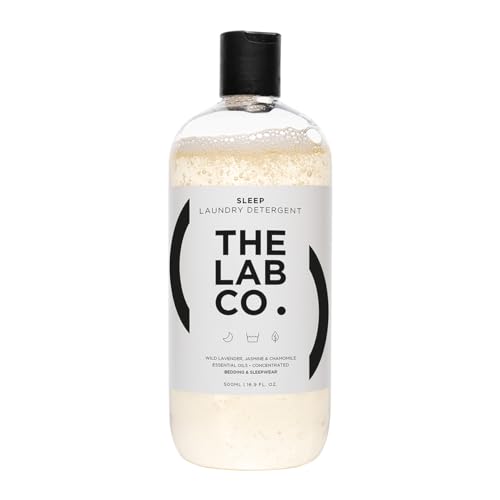 Product on saleThe Lab Co. Sleep Wash 500ml. Fragranced with wild lavender and chamomile. Plant Based and Non-Bio. Concentrated for up to 32 Washes. For bedding and sleepwear.Original price was: £14.00.£12.11Current price is: £12.11.
 -

-
 Product on saleATTITUDE Laundry Detergent, EWG Verified, Plant and Mineral-Based Ingredients, HE, Vegan Laundry Products, Refillable Aluminum Bottle, 40 Loads, Lavender and Rosemary, 1 LiterOriginal price was: £18.99.£15.54Current price is: £15.54.
 -

-

-
-

-

-

-
-
-

-
-

-
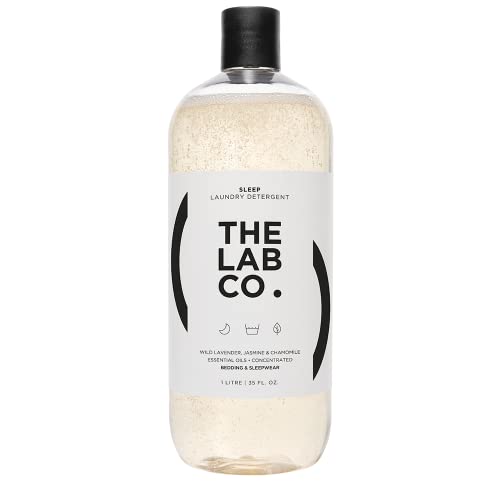 Product on saleThe Lab Co. Sleep Wash 1 Litre. Relaxing Laundry Detergent with Wild Lavender And Chamomile. Plant Based. Non-Bio. Concentrated. Up to 64 washes. For bedding and sleepwear.Original price was: £18.00.£14.42Current price is: £14.42.
 -

-

-
-
-

-
-
-

-
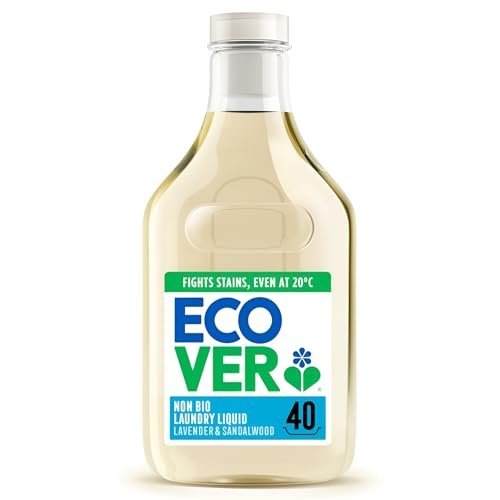 Product on saleEcover Concentrated Non-Bio, Laundry Detergent, Laundry Washing Liquid, Lavender and Sandalwood, Pack of 1, 40 Washes, 1.43LOriginal price was: £10.00.£6.65Current price is: £6.65.
Look for products that are:
- Phosphate-free
- Biodegradable
- Certified cruelty-free
- Packaged in recyclable or refillable containers
Eco-conscious brands such as Ecover, Bio-D, or Seventh Generation are good places to start. Many of these companies also ensure their packaging is sustainable and carbon-neutral.
Avoid Fragrances and Dyes
While a “fresh” scent might seem appealing, artificial fragrances often come from a blend of undisclosed chemicals. These can trigger allergies, pollute waterways, and affect marine ecosystems. Unscented or naturally scented detergents using essential oils are much safer for both your skin and the environment.
Try Making Your Own Detergent
If you’re feeling adventurous (and thrifty), making your own natural laundry detergent is easier than you might think. A simple recipe includes:
- 1 cup of washing soda
- 1 cup of baking soda
- 1 bar of grated pure soap (like Castile)
- A few drops of essential oil (optional)
Mix them all together and use 2–3 tablespoons per load. Not only does it work well, but it also eliminates plastic waste.
2. Wash Smarter, Not Harder
Wash with Cold Water
Heating water accounts for roughly 90% of the energy used by a washing machine. By switching to cold water washes (30°C or lower), you can drastically cut energy consumption without compromising cleanliness—especially with modern detergents designed to work in cooler temperatures.
Most everyday clothing items don’t require hot water. Unless you’re sanitising nappies or tackling tough stains, cold water is more than sufficient.
Only Wash Full Loads
Washing half a load uses nearly the same amount of water and energy as a full load. Try to wait until you have a full machine before pressing ‘start’. If you must wash a smaller load, adjust the water level setting accordingly (if your machine allows it).
Use Shorter or Eco Wash Cycles
Modern washing machines often have eco-cycles that use less water and energy. Shorter wash cycles are ideal for lightly soiled clothes and can help preserve your garments longer. Don’t just hit ‘Normal’ by habit—choose the setting that matches your laundry needs.
3. Upgrade Your Equipment (If Possible)
Use Energy-Efficient Appliances
If you’re in the market for a new washing machine, look for models with the ENERGY STAR rating (or its UK equivalent, an “A+++” EU energy rating). These machines use significantly less electricity and water per cycle than older or less efficient models.
Front-Load vs Top-Load Machines
Front-loading washing machines typically use 40–50% less water than top-loaders. They also tend to spin clothes more effectively, reducing drying time. Although they may cost more upfront, they save money (and resources) in the long run.
High-Efficiency (HE) Detergents
If you do upgrade your machine, remember that high-efficiency washers require HE-specific detergent. These are low-sudsing and formulated to work with less water, preventing residue buildup and optimising performance.
4. Eco-Friendly Drying Techniques
Line Dry Whenever Possible
Tumble dryers are among the most energy-hungry appliances in the home. Line drying—either outdoors or on an indoor drying rack—completely eliminates energy use, reduces wear and tear on clothes, and gives them a naturally fresh scent.
Even if you can’t hang-dry everything, try line-drying heavier items (towels, jeans, bedding) to cut down your dryer usage significantly.
Use Wool Dryer Balls Instead of Dryer Sheets
Dryer sheets are often single-use and loaded with synthetic fragrances and chemicals. Wool dryer balls, on the other hand:
- Last for hundreds of loads
- Naturally reduce static
- Shorten drying time by up to 25%
- Can be scented with a drop of essential oil
They’re a reusable, natural alternative that works just as well—if not better.
Clean Your Lint Filter Regularly
A clogged lint filter reduces airflow, making your dryer work harder and longer. Cleaning the filter after every use improves efficiency and also helps prevent fire hazards.
5. Laundry Frequency and Clothing Care
Rewear When Appropriate
Not every item of clothing needs to be washed after one wear. Jeans, jumpers, jackets, and sleepwear can often be worn multiple times before needing a wash. Washing less frequently:
- Saves water and energy
- Extends the life of your clothes
- Reduces your carbon footprint
Spot Clean Minor Stains
If a shirt has a small spill, there’s no need to throw it into the wash. Spot-cleaning with a mild soap and water can effectively remove minor stains without wasting an entire cycle’s worth of resources.
Mend and Care for Clothes
Proper garment care—mending small tears, avoiding over-drying, and washing on gentle cycles—helps prolong the life of your clothing. The longer your clothes last, the less often you’ll need to replace them, reducing textile waste.
6. Bonus Tips for a Truly Sustainable Laundry Routine
Use a Microfibre Filter or Guppyfriend Bag
Every time you wash synthetic clothing (like polyester or nylon), thousands of microplastic fibres are released into the water system. A Guppyfriend bag or a microfibre filter (like the Lint LUV-R or Cora Ball) helps trap these fibres before they reach the ocean.
Install a Greywater Recycling System
Where legal and practical, using a greywater system allows you to reuse laundry water for gardening or toilet flushing. It’s an excellent way to conserve water—especially in areas prone to drought.
Avoid Dry Cleaning When Possible
Traditional dry cleaning uses perchloroethylene, a toxic chemical that’s harmful to humans and the environment. Look for eco-friendly or “wet cleaning” services, or choose clothes labelled as machine-washable instead of dry-clean only.
Choose Clothes Made from Natural Fibres
Whenever possible, opt for garments made from organic cotton, linen, or hemp, which shed fewer harmful fibres and are more biodegradable. Supporting sustainable fashion also supports sustainable laundry habits.
Conclusion
Eco-friendly laundry isn’t about perfection—it’s about making better choices, one step at a time. Whether you’re switching to a biodegradable detergent, washing at 30°C, or drying your clothes on a line, every action adds up.
By making small, intentional changes to your routine, you can:
- Save money
- Extend the life of your clothes
- Conserve precious resources
- Reduce your impact on the environment
Ready to green your laundry game? Start with one change this week—perhaps switching to cold water or trying an eco detergent. Share your favourite sustainable laundry tip in the comments below or tag us on social media using #EcoLaundryLife.

